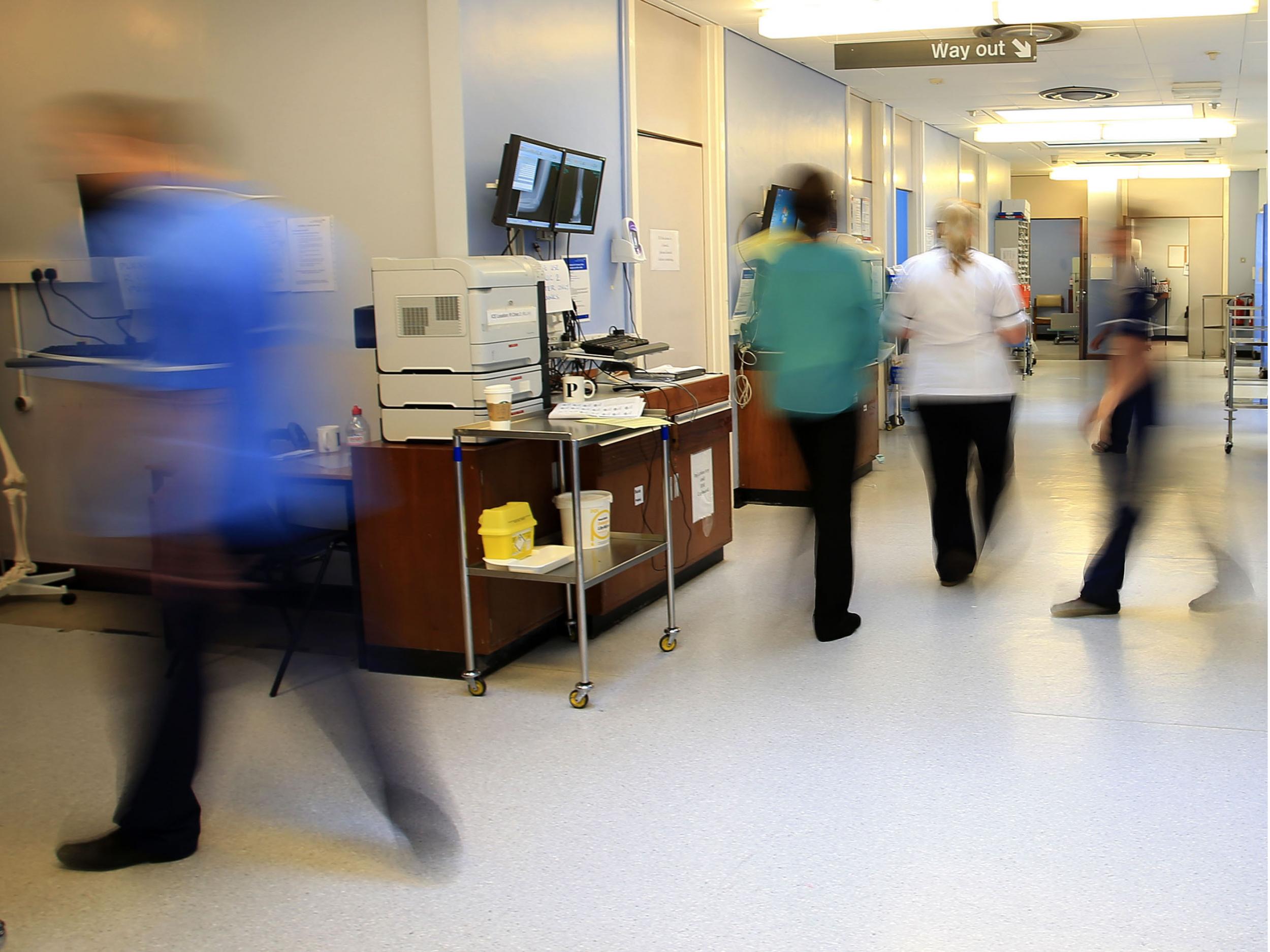
GP’s with Poorly Mental Health
This is an interview with a General Practitioner who had to take a year off of work because of her mental health and the personal shame she felt having to step back. Throughout this interview we delve into her personal life. She would like to stay anonymous so I will be using the name “Doctor”. We will be discussing mental health struggles and talk of neurodivergence, so if you are sensitive to these topics please bear that in mind.
To start off what is a GP?
A General Practitioner is the front line defending us from disease. If you are poorly you simply ring your GP up and arrange an appointment, and hey presto. Next thing you know you are sat in a waiting room scored by the symphony of snuffly noses and chesty coughs, awaiting your name being called so that you finally know what is making you feel so under the weather.
Suddenly I realised we never consider whether our doctors need to take the backseat and become the patient, which is why I contacted a GP to discuss what happens when a doctor is unwell, particularly if it is not physical…
“Doctor, who?”
She was raised in Scotland in the 70’s. The streets were full of children out playing, the economy was recovering from the fallout from the War, and leaps in technology were just around the corner.
We began talking and The Doctor revealed a large struggle she faces whilst working is her suspected neurodivergence. Delving deeper, I asked her, “Why do you think you have not yet been officially diagnosed with neurodivergence?”. She responded in a thoughtful manner, taking time over every word in a measured way perhaps only a doctor can. She expressed she always just saw herself as quirky, and because of her great academic achievements she flew under the radar. Now how does a person who has never viewed themselves as “autistic” make this revelation?
The Doctor is a mother. She explained that her eldest was seeking a diagnosis of autism. During the process The Doctor has to give her daughter’s developmental history of signs she may have been autistic whilst growing up. Ironically she said, “She can’t be autistic, she’s just like me!” Finally the cogs started to turn in her brain and she realised she herself was in fact, neurodivergent.
“You just have to put a mask on to go into work”
The doctor went on to describe the positives and negative traits of her neurodivergence which impact her as a GP. She is methodical, has incredible pattern recognition, very empathetic, perhaps even to a fault. However she describes low confidence, struggles with confrontation and severe burnout from masking for 11 hour shifts.
Very perplexed by these answers I enquired how she copes especially with her work-life balance . Taking a couple moments to mull her answer to my question over, she replied,
“Coming home after work, I have to write off every day I’m at work. I’m incapable of any kind of coherent conversation or empathy, and I just have to kind of switch off and relax, and have a lot of days off in the week when I do something different from what I’m doing at work.
I used to worry a lot about my patients when I was a newer GP and that really impacted my day to day. I spent a lot of time just feeling anxious and that was really hard, so yeah, I just have to make each day a separate thing, compartmentalise it.”
This worked for her until her circumstances became too heavy a burden. She knew she had to take some time off when her middle child had a crisis and her mother was in hospital. The strain of caring for patients whilst your home is falling apart is a stress like no other and the boundaries were leaking. A doctor needs to be at the top of their game, a misdiagnosis or failure to recognise symptoms would be dire.
“I couldn’t stop being a daughter, I couldn’t stop being a mother, but I could stop being a doctor”
-The Doctor

According to The Doctor the culture around working in the medical field is that no matter what, you show up and do your job. Hell or highwater, you are there, unless you have copious amounts of diarrhea and vomiting or a life threatening disease. I don’t think a doctors note would get you off a day at this job…
Compared to her coworkers The Doctor already felt insecure. Perhaps it was the guilt and feelings of difference which often surround people with neurodivergence?
She describes her approach to work as less traditionally efficient because she needs patients to feel they have been heard and understood. It is a common misconception that people with neurodivergence have little understanding of body language and tone, however The Doctor is highly perceptive of this. She describes the need to please her patients so often goes over the 10 minute slot time to ensure she has a correct diagnosis and the patient understands. Personally I love this empathetic approach to the medical field and I think it should be in abundance, but with stretched resources at the NHS it may not be possible at this point in time.
All of this further contributed to her guilt and shame for needing a year off of work. The idea of needing a physical sickness, rather than a mental illness weighed heavily on her. Thinking that as a doctor she should have realised she was getting sick and stopped it. In short she blamed herself for her mental illness, thinking she was weak or had character flaws rather than being pushed beyond a limit that anyone would struggle to cope with. She would now recount how wrong she was,
“Mental illness is an illness like any other”
-The Doctor (Present day)
The stigma of being a doctor with an illness is deep-routed and dangerous. An incredibly funny yet interesting read “This Is Going To Hurt” by Adam Kay is a great biographical resource of which The Doctor I have interviewed recommended which delves into the ups and downs of being a junior doctor.
To end on a positive note The Doctor is back at work with a solid support system and recovered mental health, her daughter is also recovered and her mother is out of hospital. Finally I implore you to reach out for help if you need it, breaks are okay, and to truly appreciate what your local GP is coping with day to day.
 West end Girl